
Leading Equipment Choices for Demolition Service Providers
Compare top-performing tools and machinery that support successful project completion and operational efficiency.
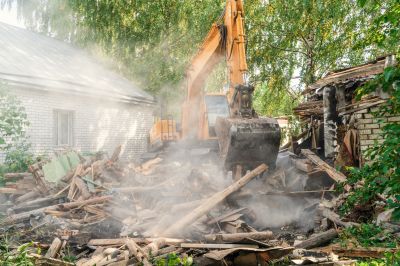 In the realm of demolition services, selecting the right tools and equipment is essential for ensuring efficiency, safety, and precision. Whether working on small-scale projects like interior tearing or large-scale structural demolitions, having the appropriate products can significantly influence the outcome. From handheld tools to heavy machinery, the variety of products available caters to different project requirements and expertise levels. Properly chosen equipment not only accelerates the demolition process but also helps minimize hazards and material waste.
Top Overall Option
Heavy-Duty Demolition Hammer
A heavy-duty demolition hammer offers powerful impact force suitable for breaking through concrete, brick, and other tough materials. Its robust construction and multiple speed settings provide versatility for various demolition tasks. Ergonomic design features can enhance user comfort during extended use, making it a reliable choice for professional contractors and serious DIYers. When selecting a demolition hammer, considering power source options and safety features can help ensure optimal performance and safety on the job site.
Types of Products For Demolition Service
Demolition Hammers
Handheld tools designed for breaking concrete, masonry, and other hard surfaces, available in corded and cordless models.
Rotary Demolition Drills
Heavy-duty drills capable of drilling through tough materials, often used for pre-drilling or targeted demolition work.
Concrete Crushers
Attachments or standalone machines that crush concrete into manageable pieces, ideal for recycling or disposal.
Hydraulic Breakers
Hydraulic-powered tools used with excavators for larger demolition projects, capable of breaking thick concrete and rock.
Sledgehammers
Traditional manual tools suitable for smaller demolition tasks or precise work in tight spaces.
Reciprocating Saws
Power saws with long blades that cut through wood, drywall, and metal, useful for demolition and remodeling.
Dust Extraction Systems
Equipment designed to capture dust generated during demolition, improving site cleanliness and safety.
Safety Gear
Protective equipment such as helmets, goggles, gloves, and respirators essential for safe demolition work.
Debris Containers
Heavy-duty dumpsters or debris chutes for efficient collection and disposal of demolition waste.
Wrecking Balls
Large, heavy balls used with cranes for demolishing large structures, primarily in industrial settings.
Scaffolding and Lifts
Support structures and lifts that provide safe access to high or difficult-to-reach areas during demolition.
Cutting Torches
Gas or plasma torches used for cutting through metal components during demolition.
Vacuum Excavators
Equipment that uses suction to remove debris and excavate without damaging underground utilities.
Air Compressors
Power sources for pneumatic tools, essential for operating jackhammers, nail guns, and other pneumatic demolition equipment.
Laser Distance Meters
Tools for precise measurement and planning during demolition and site layout.
Portable Generators
Reliable power sources for operating tools in locations without electrical access.
Popular Choices
A versatile handheld tool favored for its portability and ease of use across various demolition tasks.
Popular for its power and precision in drilling and chipping through tough materials.
A handheld or walk-behind saw used for cutting concrete and masonry during demolition projects.
Widely used with excavators for large-scale structural demolitions.
A common tool for smaller or more delicate demolition tasks requiring manual force.
A flexible tool for cutting through various materials, especially in tight spaces.
Accessories that help contain dust and debris during demolition for cleaner work environments.
Sets that include essential safety gear for demolition workers.
Devices that facilitate the safe and efficient removal of debris from elevated work areas.
Large, heavy balls used with cranes for knocking down large structures.
Equipment that extends the reach of excavators for demolition of tall structures.
Tools for cutting through metal components during demolition.
Devices used for precise removal of debris and soil, minimizing damage to underground utilities.
Reliable power sources for tools when working in remote locations.
Tools for accurate measurements, aiding in planning and safety during demolition.
Powerful tools for breaking concrete and asphalt, favored for their durability.
For professionals and DIY enthusiasts alike, understanding the key features and capabilities of demolition products is crucial. Safety features, durability, ease of use, and versatility are often top considerations when selecting demolition tools. Investing in quality equipment can lead to smoother project execution and reduce the likelihood of accidents or equipment failure. As the industry evolves, innovative tools and accessories continue to emerge, offering more options to meet specific demolition needs.
In Conway, SC, where construction and renovation projects are ongoing, having access to reliable demolition products is vital. Local contractors and homeowners alike benefit from a well-curated selection of tools that can handle various materials, including concrete, wood, drywall, and metal. Whether tackling a residential remodel or a commercial teardown, the right equipment ensures that projects are completed efficiently and safely. Proper planning and product selection are key steps in any successful demolition effort.
Ultimately, choosing the right demolition products involves balancing cost, functionality, and safety considerations. By understanding the different types of equipment available and their intended uses, users can make informed decisions that enhance productivity and safety. Properly equipped, demolition projects in Conway, SC, can proceed smoothly, setting the stage for subsequent construction or renovation phases.
Key Buying Considerations
- Assess the scale and scope of your demolition project to determine the appropriate power and size of tools needed.
- Safety features such as anti-vibration handles, ergonomic design, and safety guards are crucial for user protection.
- Consider whether the equipment is corded or cordless, factoring in mobility and power requirements.
- Durability and build quality impact long-term performance and maintenance costs.
- Compatibility with various attachments can enhance the versatility of your equipment.
- Ease of operation and user comfort can influence productivity and reduce fatigue during extended use.
- Availability of replacement parts and accessories can affect ongoing maintenance and upgrades.
- Noise levels may be a concern in residential or sensitive environments; look for quieter models if necessary.
- Weight and size should be manageable for the user, especially for handheld tools.
- Power source options (electric, pneumatic, hydraulic, gas) should align with your work site conditions.
- Budget constraints should be balanced with the quality and features required for your projects.
- Local availability of service and support can minimize downtime if repairs are needed.
- Environmental conditions, such as exposure to dust, moisture, or extreme temperatures, can influence equipment choice.
- Regulatory compliance and safety standards should be verified for all purchased equipment.
- Consider future project needs to select adaptable tools that can handle different demolition tasks.